


If you’ve ever explored Spanish cuisine, you’ve probably come across the phrase what is tapas. These flavorful small plates are more than just food—they represent a social tradition, a cultural identity, and a delicious way of eating that has captured global attention.
In this comprehensive guide, you’ll discover the origins, history, types, ingredients, cultural importance, health benefits, and modern evolution of tapas. Whether you’re a food blogger, restaurant owner, traveler, or simply curious about Spanish cuisine, this in-depth article will answer every question you might have.
What Is Tapas?
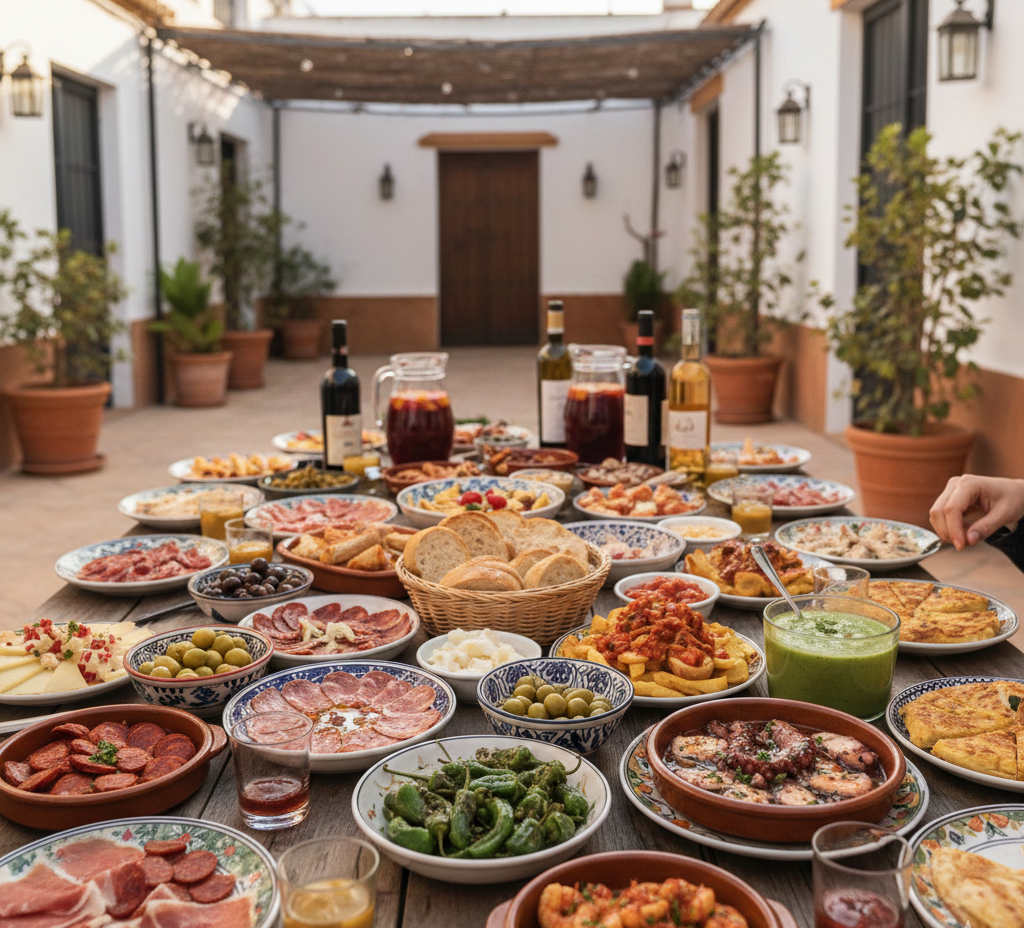
Tapas are small Spanish dishes typically served as appetizers or snacks. They can be hot or cold, simple or elaborate, vegetarian or meat-based. Unlike a traditional single-plate meal, tapas are meant to be shared, encouraging conversation and social interaction.
In Spain, people often move from one bar to another enjoying small portions of different dishes with drinks—a tradition known as “tapeo.”
Tapas can include:
- Olives and nuts
- Cheese and cured meats
- Seafood
- Fried bites
- Stews in miniature portions
- Bread topped with savory ingredients
The beauty of tapas lies in their variety and flexibility.
The Origin and History of Tapas
Understanding what is tapas requires looking at its fascinating history.
The Meaning of the Word
The word “tapa” comes from the Spanish verb tapar, meaning “to cover.” There are several stories explaining the origin:
- Royal Legend – One popular tale claims that King Alfonso X of Castile ordered small portions of food to be served with wine to prevent intoxication.
- Practical Covering – Bartenders in southern Spain reportedly placed slices of bread or ham over wine glasses to keep flies out.
- Travelers’ Snack – Farmers and workers would eat small bites between meals to stay energized.
While the exact origin is debated, tapas gradually evolved into a cultural dining tradition across Spain.
The Cultural Significance of Tapas in Spain
Tapas are not just about eating—they represent connection, community, and celebration.
Social Dining Experience
In cities like Madrid, Barcelona, and Seville, locals gather in bars after work to share plates and drinks. Instead of sitting for a formal meal, people stand, chat, and sample various dishes.
This casual, communal style encourages:
- Sharing
- Conversation
- Exploration of flavors
- Slower, more mindful eating
Tapas vs. Pintxos
In northern Spain, especially in San Sebastián, a similar tradition exists called pintxos. While tapas are shared dishes, pintxos are typically small bites served on bread and secured with a toothpick.
Types of Tapas
There is no single definition when answering what is tapas because the range of dishes is vast. Below are the main categories.
1. Cold Tapas
These are ready-to-serve dishes that require little or no cooking:
- Aceitunas (marinated olives)
- Jamón Ibérico (cured Iberian ham)
- Queso Manchego (Spanish sheep’s cheese)
- Spanish tortilla (cold version)
- Anchovies in olive oil
2. Hot Tapas
Freshly prepared and served warm:
- Patatas bravas (fried potatoes with spicy sauce)
- Garlic shrimp
- Fried calamari
- Meatballs in tomato sauce
- Croquettes
3. Seafood Tapas
Spain’s coastal geography makes seafood a staple:
- Grilled octopus
- Mussels in white wine sauce
- Salt cod fritters
- Sardines
4. Vegetarian Tapas
Plant-based options are increasingly popular:
- Grilled peppers
- Spinach with chickpeas
- Mushroom sauté
- Stuffed piquillo peppers
Popular Tapas Dishes Explained
Let’s explore some iconic dishes that define what is tapas.
Patatas Bravas
Crispy fried potatoes topped with spicy tomato sauce and aioli. One of the most common and beloved small plates across Spain.
Tortilla Española
A thick Spanish omelet made with potatoes, eggs, and onions. It’s simple yet incredibly satisfying.
Gambas al Ajillo
Shrimp sautéed in olive oil with garlic and chili flakes. Served sizzling in a clay dish.
Croquetas
Creamy béchamel-based fritters filled with ham, chicken, or seafood, then breaded and fried until golden.
Jamón Ibérico
Premium cured ham from Iberian pigs, thinly sliced and served with bread or cheese.
How Tapas Are Served
Tapas can be served in different ways depending on the region:
- Complimentary Tapas – In some areas like Granada, tapas are free with every drink ordered.
- Menu-Based Selection – Most cities offer a dedicated tapas menu where you order plates individually.
- Bar Display Style – Some establishments display ready-made dishes on the counter.
The serving style often depends on local tradition and the bar’s concept what is tapas.
Ingredients Commonly Used in Tapas
Spanish cuisine emphasizes fresh, high-quality ingredients.
Olive Oil
Spain is one of the world’s largest olive oil producers. Extra virgin olive oil is foundational to many dishes what is tapas.
Garlic
Adds bold flavor to seafood and meat dishes.
Paprika
Smoked Spanish paprika gives depth to sauces and stews.
Fresh Seafood
Thanks to Spain’s long coastline.
Cured Meats
Especially chorizo and jamón varieties.
The Role of Drinks with Tapas
Tapas are usually paired with beverages such as:
- Spanish red wine
- Sangria
- Cava (sparkling wine)
- Beer
- Vermouth
In cities like Valencia, locals enjoy pairing small plates with regional wines.
Tapas vs. Appetizers: What’s the Difference?
Many people confuse tapas with appetizers. While similar, they differ in purpose.
| Tapas | Appetizers |
|---|---|
| Meant to be shared | Usually individual |
| Can form a full meal | Typically precede a meal |
| Social dining culture | Formal dining structure |
| Wide variety | Limited selection |
Tapas often replace the main course entirely.
Health Benefits of Tapas-Style Eating
When exploring what is tapas, it’s worth noting the potential health advantages what is tapas.
Portion Control
Smaller servings help prevent overeating.
Mediterranean Diet Influence
Tapas often include:
- Olive oil
- Vegetables
- Lean proteins
- Seafood
These align with heart-healthy dietary patterns.
Balanced Variety
Eating different dishes ensures nutrient diversity what is tapas.
How Tapas Spread Worldwide
Tapas culture has expanded beyond Spain into countries like:
- United States
- United Kingdom
- Australia
- Canada
Cities worldwide now feature tapas bars inspired by Spanish tradition.
Restaurants in global cities often adapt dishes with local ingredients while maintaining the small-plate concept what is tapas.
Hosting a Tapas Night at Home
If you want to recreate the experience, here’s how:
Step 1: Plan Variety
Choose 6–8 dishes:
- 2 cold
- 2 hot
- 1 seafood
- 1 vegetarian
- 1 meat-based
Step 2: Prepare in Advance
Many dishes can be made ahead.
Step 3: Serve Family Style
Place dishes in the center of the table.
Step 4: Pair with Drinks
Offer wine, sparkling water, or sangria.
Regional Variations Across Spain
Different Spanish regions offer unique styles.
Andalusia
Fried seafood and gazpacho-style dishes.
Catalonia
Bread rubbed with tomato and olive oil.
Basque Country
Known for pintxos culture in Bilbao.
Galicia
Seafood-focused small plates.
Economic Impact of Tapas Tourism
Tapas attract millions of tourists annually. Culinary tourism plays a significant role in Spain’s economy.
Visitors often plan trips specifically to experience authentic tapas bars in historic districts.
Food tours in Malaga and Toledo highlight local specialties what is tapas.
Modern Trends in Tapas
Tapas continue to evolve.
Fusion Tapas
Chefs blend Spanish tradition with Asian, Latin American, or Middle Eastern influences.
Plant-Based Options
Vegan tapas menus are expanding.
Fine Dining Tapas
High-end restaurants now offer gourmet interpretations.
Some innovative what is tapas chefs have even elevated tapas in restaurants influenced by pioneers like Ferran Adrià.
Common Misconceptions About Tapas
- Tapas are always free – Not everywhere.
- Tapas are only snacks – They can be a full meal.
- Tapas are always Spanish – While Spanish in origin, many countries have adopted the concept.
- Tapas must include meat – Plenty of vegetarian options exist.
Frequently Asked Questions
Are tapas served only at night?
No. While popular in the evening, they can be enjoyed any time.
Can tapas be dessert?
Yes what is tapas. Sweet tapas like churros or small cakes are common.
How many tapas should one order?
Typically 2–3 plates per person if sharing.
Why Tapas Continue to Be Popular
The continued popularity of tapas comes down to:
- Variety
- Social connection
- Flavor diversity
- Flexible portion sizes
- Cultural authenticity
Tapas provide a unique dining experience that goes beyond food.
Final Thoughts
So, what is tapas? It’s far more than small plates of Spanish food what is tapas. It’s a tradition rooted in history, shaped by culture, and celebrated worldwide. From the bustling streets of Madrid to coastal towns and international restaurants, tapas bring people together through shared flavors and lively conversation.
Whether you’re traveling to Spain, hosting a dinner party, or simply exploring global cuisine, understanding tapas opens the door to a rich and flavorful experience.
READ MORE : GROW MAGAZINES
