


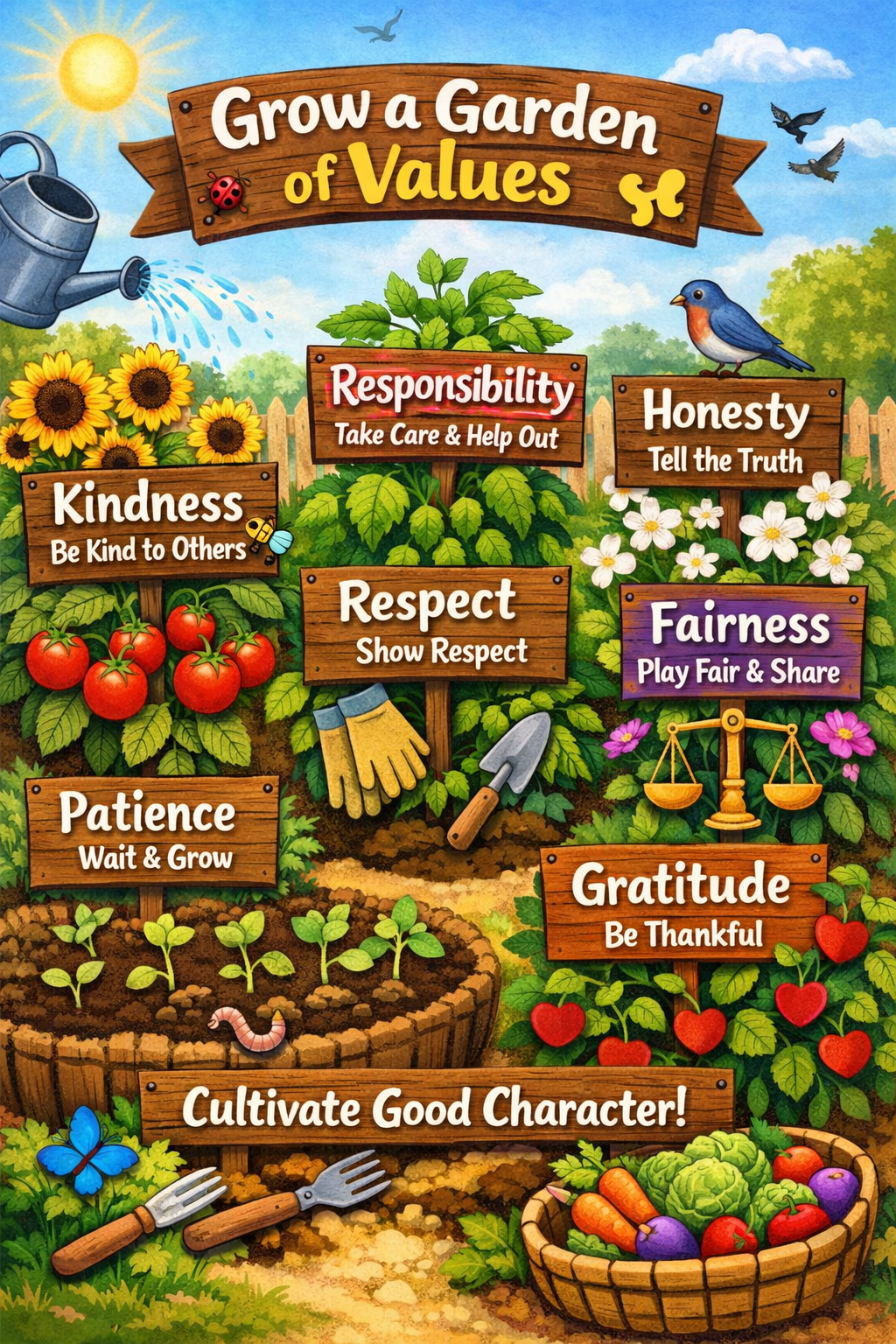
Gardening has been a cherished activity for centuries grow a garden values. From ancient civilizations to modern households, growing plants has always played a vital role in human life. The phrase “grow a garden values” reflects much more than planting seeds in soil. It represents patience, sustainability, personal growth, community connection, and environmental awareness.
Whether someone maintains a small backyard garden, cultivates vegetables on a balcony, or participates in community gardening, the values that emerge from nurturing plants are profound grow a garden values. Gardening teaches people how to respect nature, appreciate hard work, and understand the cycle of life.
This article explores the deeper meaning behind grow a garden values, including personal benefits, social importance, environmental contributions, and the life lessons that come from cultivating plants grow a garden values.
Understanding the Concept of Grow a Garden Values
When people talk about grow a garden values, they refer to the principles and lessons learned through gardening. These values are not limited to agriculture or food production grow a garden values. Instead, they influence lifestyle, mindset, and relationships.
Gardening encourages individuals to slow down and work with nature rather than against it. Unlike many modern activities that deliver instant gratification, gardening requires patience and long-term commitment grow a garden values. Seeds must be planted, watered, protected, and nurtured before they can produce results.
This process teaches responsibility and persistence. Each stage of plant growth reminds gardeners that progress often takes time, care, and consistency.
The Historical Importance of Gardening
The tradition of growing gardens dates back thousands of years grow a garden values. Ancient civilizations relied heavily on gardens for food, medicine, and beauty. From the agricultural fields of early societies to decorative palace gardens, cultivating plants has always been central to human culture.
In earlier times, families maintained kitchen gardens where vegetables, herbs, and fruits were grown for daily consumption. These gardens were essential for survival, but they also helped strengthen family bonds and community cooperation.
Today, the idea behind grow a garden values continues this legacy grow a garden values. While modern technology has changed how food is produced, personal gardens still offer a meaningful connection to the natural world.
Personal Growth Through Gardening
One of the most powerful aspects of gardening is its ability to promote personal development grow a garden values. The act of nurturing plants can positively influence mental, emotional, and physical well-being.
Patience and Discipline
Plants grow according to natural cycles, not human schedules. Gardeners must learn to wait for seeds to germinate, flowers to bloom, and fruits to mature grow a garden values. This teaches patience and discipline.
These qualities extend beyond gardening. Individuals who practice patience in the garden often develop greater persistence in other areas of life.
Responsibility and Care
Maintaining a garden requires consistent attention grow a garden values. Plants must be watered regularly, protected from pests, and provided with proper sunlight and nutrients.
Taking responsibility for living plants encourages people to develop stronger caregiving habits and greater awareness of their environment.
Stress Relief and Mental Wellness
Many people turn to gardening as a form of relaxation. Working with soil, plants, and natural surroundings can reduce stress and improve mood.
The repetitive actions of planting, watering, and pruning provide a calming effect similar to meditation. Spending time outdoors also promotes mental clarity and emotional balance.
Environmental Values of Growing a Garden
Gardens are not only beneficial for individuals—they also play an important role in protecting the environment. The principles behind grow a garden values support sustainable living and ecological balance.
Supporting Biodiversity
Gardens create habitats for insects, birds, and beneficial microorganisms. Bees, butterflies, and other pollinators depend on plants for food and survival.
By cultivating diverse plants, gardeners contribute to the preservation of local ecosystems.
Reducing Carbon Footprint
Growing food at home can reduce the environmental impact associated with transportation and packaging. Homegrown vegetables and fruits require fewer resources compared to commercially produced foods.
Even small gardens can contribute to more sustainable consumption habits.
Improving Soil Health
Healthy soil is the foundation of successful gardening. Gardeners often use compost, organic matter, and natural fertilizers to enrich soil quality.
These practices improve soil structure, support beneficial organisms, and reduce reliance on synthetic chemicals.
Educational Benefits of Gardening
Gardens are powerful learning environments. They offer hands-on experiences that help people understand biology, ecology, and nutrition.
Learning About Plant Life Cycles
Observing plants grow from seeds to mature organisms provides valuable insight into natural processes. Gardeners witness germination, growth, flowering, pollination, and fruit development.
This direct interaction with nature fosters curiosity and scientific thinking.
Teaching Children Responsibility
Gardening is especially beneficial for children. When young individuals participate in planting and caring for crops, they learn responsibility and respect for nature.
Children who grow their own vegetables often develop healthier eating habits because they feel connected to the food they produce.
Social and Community Values
Another important aspect of grow a garden values is the ability to bring people together. Gardens often serve as spaces for collaboration, communication, and shared experiences.
Community Gardens
Community gardens allow groups of people to cultivate land collectively. These spaces provide opportunities for neighbors to connect, share resources, and learn from each other.
Community gardens are particularly valuable in urban areas where access to green space may be limited.
Sharing Harvests
Gardeners frequently share their harvest with friends, family, and neighbors. This tradition strengthens relationships and promotes generosity.
Exchanging vegetables, fruits, or seeds can create a sense of belonging within communities.
Cultural Connections
Gardening also preserves cultural traditions. Many families grow plants that reflect their heritage, including traditional vegetables, herbs, and flowers.
These gardens help maintain cultural identity and pass knowledge from one generation to the next.
Health Benefits of Growing a Garden
Gardening provides numerous physical and nutritional benefits.
Physical Activity
Planting, digging, watering, and harvesting require movement and energy. These activities help improve strength, flexibility, and endurance.
Gardening offers a gentle form of exercise suitable for people of all ages.
Access to Fresh Food
Home gardens provide fresh, nutritious produce. Fruits and vegetables harvested directly from the garden often contain higher nutrient levels compared to store-bought options.
Eating freshly grown produce can support a balanced and healthy diet.
Exposure to Sunlight
Spending time in the garden increases exposure to natural sunlight, which helps the body produce vitamin D. This nutrient plays an important role in bone health and immune function.
Economic Advantages of Home Gardening
While gardening requires some initial investment, it can lead to long-term savings.
Lower Food Costs
Growing vegetables such as tomatoes, lettuce, peppers, and herbs can significantly reduce grocery expenses. A small garden can produce a surprising amount of food throughout the growing season.
Reduced Waste
Gardeners often become more mindful of food usage. Surplus produce can be preserved through freezing, drying, or canning.
This approach reduces food waste and maximizes the value of harvested crops.
Potential Income Opportunities
In some cases, gardening can evolve into a small business. People may sell excess produce at farmers markets, supply local restaurants, or create homemade products such as jams and herbal teas.
Spiritual and Philosophical Lessons
Gardening often encourages reflection on deeper aspects of life. The experience of watching plants grow and change can inspire meaningful insights.
Respect for Nature
Working closely with soil, water, and sunlight fosters appreciation for natural systems. Gardeners learn that human survival depends on the health of the environment.
Understanding the Cycle of Life
Gardens demonstrate the natural cycle of birth, growth, decay, and renewal. Dead leaves decompose and enrich the soil, creating nutrients for new plants.
This cycle reminds people that change is a natural and necessary part of life.
Gratitude and Mindfulness
Harvesting food from a garden often creates a strong sense of gratitude. Gardeners recognize the effort required to produce even a small amount of food.
This awareness encourages mindful consumption and deeper appreciation for everyday resources.
Practical Tips for Embracing Grow a Garden Values
Anyone can experience the benefits of gardening, regardless of available space or experience level.
Start Small
Beginners should start with a manageable garden size. Containers, raised beds, or small backyard plots are excellent starting points.
Choose Suitable Plants
Selecting plants that grow well in the local climate increases the chances of success. Herbs, leafy greens, and tomatoes are popular options for new gardeners.
Learn Continuously
Gardening is a lifelong learning process. Observing plant behavior, experimenting with techniques, and adapting to environmental conditions help improve gardening skills over time.
Practice Sustainability
Using compost, conserving water, and planting native species can enhance environmental benefits.
The Future of Gardening in Modern Society
As urbanization increases and environmental concerns grow, gardening is becoming more important than ever. Many cities are embracing green initiatives that encourage rooftop gardens, vertical farming, and community agriculture.
These innovations reflect the enduring relevance of grow a garden values in contemporary society. By reconnecting people with nature, gardens offer solutions to modern challenges such as food security, climate change, and mental health issues.
Technology may continue to evolve, but the fundamental principles of gardening—care, patience, and respect for nature—remain timeless.
Conclusion
The concept of grow a garden values extends far beyond planting seeds and harvesting crops. Gardening teaches patience, responsibility, sustainability, and gratitude. It supports physical health, mental well-being, environmental protection, and social connection.
Through gardening, individuals gain a deeper understanding of natural systems and their role within them. Each plant nurtured in the soil represents more than food or beauty—it symbolizes growth, resilience, and harmony with nature.
In a fast-paced world dominated by technology and convenience, gardens remind us of the simple yet powerful lessons that nature provides. By embracing the values associated with growing a garden, people can cultivate not only plants but also a richer, more meaningful way of living.
READ MORE : GROW MAGAZINES
