


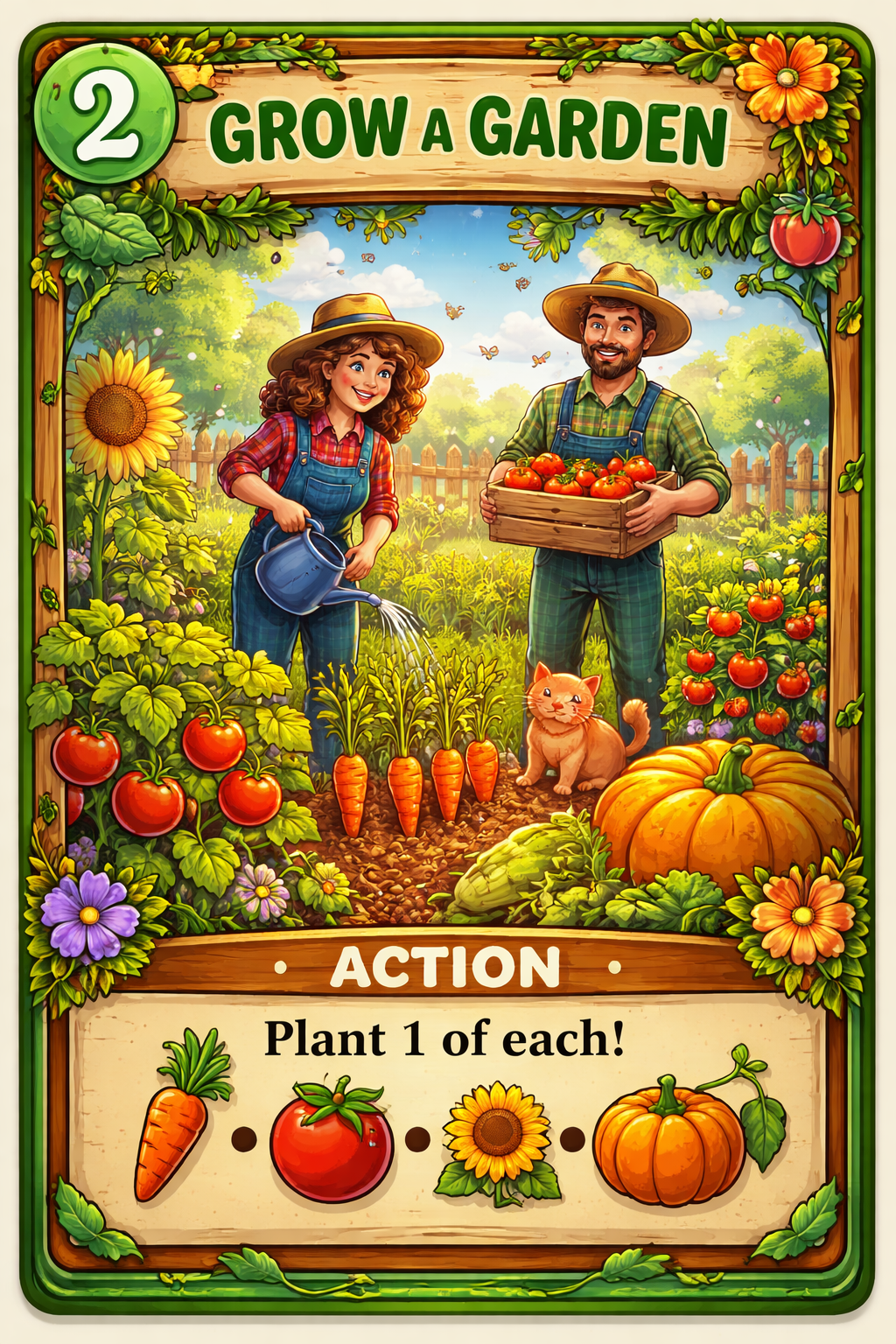
Gardening has evolved far beyond a relaxing hobby grow a garden trading. In recent years, it has become a profitable activity for many individuals around the world. One growing trend within this space is grow a garden trading, where people cultivate plants, vegetables, herbs, or flowers and exchange or sell them within communities, online marketplaces, or local networks.
This concept combines gardening with small-scale commerce, allowing individuals to generate income while contributing to sustainable living grow a garden trading. Whether you are a beginner with a small backyard or an experienced gardener managing multiple crops, understanding how garden trading works can open up exciting opportunities.
In this detailed guide, you will learn everything about grow a garden trading, including how it works, benefits, strategies, tools, marketplaces, and tips for success.
What is Grow a Garden Trading?
Grow a garden trading refers to the practice of growing plants, vegetables, fruits, herbs, or flowers and trading or selling them for profit or exchange. Instead of gardening solely for personal consumption, individuals cultivate produce specifically to trade within local communities or online platforms.
The trading aspect can involve:
- Selling plants or produce for money
- Exchanging crops with other gardeners
- Trading rare plants or seeds
- Participating in plant swap communities
- Selling gardening kits or starter plants
This model is popular among urban gardeners, homesteaders, hobby gardeners, and small agricultural entrepreneurs.
Why Grow a Garden Trading is Becoming Popular
Several factors have contributed to the rapid growth of garden trading worldwide.
1. Increased Interest in Home Gardening
People are increasingly growing their own food to ensure freshness and reduce dependency on store-bought produce.
2. Rising Demand for Organic Products
Consumers prefer chemical-free fruits and vegetables, creating opportunities for gardeners to sell organic produce.
3. Community-Based Economies
Local trading networks allow people to exchange goods without relying on large retail chains.
4. Low Startup Costs
Compared to many businesses, starting a garden trading venture requires minimal investment.
5. Sustainable Living Movement
Garden trading promotes sustainability by encouraging local production and reducing transportation emissions.
Benefits of Grow a Garden Trading
Participating in this activity provides several advantages beyond financial gain.
Extra Income
Selling plants, vegetables, or herbs can generate a steady side income.
Healthier Lifestyle
Gardening promotes physical activity and mental well-being.
Environmental Benefits
Growing plants contributes to biodiversity, reduces carbon footprint, and improves air quality.
Strong Community Connections
Plant trading often builds relationships among neighbors, gardeners, and hobbyists.
Skill Development
You develop skills in agriculture, marketing, plant care, and business management.
Types of Garden Products You Can Trade
There are many items that gardeners commonly trade or sell.
Vegetable Plants
Tomatoes, peppers, cucumbers, and lettuce are highly popular.
Herbs
Herbs grow quickly and are always in demand.
Examples include:
- Basil
- Mint
- Rosemary
- Thyme
- Parsley
Fruit Plants
Strawberries, blueberries, and citrus trees attract buyers interested in home gardening.
Flower Plants
Flowers are commonly traded for decoration and landscaping.
Popular choices include:
- Roses
- Tulips
- Sunflowers
- Lavender
Seeds
Rare or heirloom seeds are especially valuable in garden trading communities.
Gardening Supplies
Some traders also sell pots, soil mixes, compost, and starter kits.
How to Start Grow a Garden Trading
Starting a garden trading activity does not require large land or heavy investment. Even a small space can produce valuable crops.
Step 1: Choose the Right Plants
Select plants that grow well in your climate and have strong demand.
Good beginner choices include:
- Tomatoes
- Herbs
- Leafy greens
- Peppers
- Strawberries
Step 2: Prepare Your Garden Space
Your garden can be:
- Backyard garden
- Balcony garden
- Rooftop garden
- Indoor hydroponic setup
- Community garden plot
Ensure plants receive enough sunlight, water, and nutrients.
Step 3: Grow Healthy Plants
Healthy plants attract more buyers. Use quality soil, organic fertilizers, and proper watering schedules grow a garden trading.
Step 4: Build a Trading Network
You can trade plants through:
- Local gardening groups
- Farmers markets
- Social media marketplaces
- Plant swap events
- Community gardening clubs
Step 5: Set Fair Prices
Research market prices to ensure your products remain competitive.
Best Plants for Garden Trading
Certain plants are more profitable because they grow quickly and are widely desired.
Fast-Growing Vegetables
Fast harvest cycles allow repeated trading opportunities.
Examples include:
- Spinach
- Lettuce
- Radishes
- Green onions
High-Value Plants
These plants often sell for higher prices.
Examples:
- Exotic herbs
- Succulents
- Bonsai plants
- Rare flowers
Seasonal Crops
Seasonal plants can attract buyers during specific times of the year.
Examples:
- Pumpkins in autumn
- Flower seedlings in spring
- Herbs in summer
Tools Needed for Garden Trading
Having the right tools improves efficiency and plant quality.
Essential tools include:
- Garden gloves
- Hand trowel
- Watering can
- Pruning shears
- Seed trays
- Plant labels
- Organic fertilizer
Optional tools that can help scale production grow a garden trading:
- Greenhouse
- Drip irrigation system
- Grow lights
- Compost bin
Online Platforms for Garden Trading
The internet has made garden trading easier than ever before.
Social Media Groups
Many gardeners use Facebook or community groups to exchange plants.
Online Marketplaces
Popular platforms allow individuals to sell plants directly to buyers.
Gardening Forums
Forums and hobbyist websites often host plant trading sections.
Local Delivery Apps
Some sellers offer local delivery for fresh produce.
Pricing Strategies for Garden Traders
Setting the right price is important to attract customers while maintaining profit.
Cost-Based Pricing
Calculate the cost of soil, seeds, water, and time spent growing the plant.
Market-Based Pricing
Look at what other gardeners charge for similar plants.
Bundle Pricing
Offer discounts for multiple plants.
Example:
- 1 plant = $5
- 3 plants = $12
This encourages larger purchases.
Packaging and Presentation
Good presentation significantly increases the perceived value of plants.
Use Clean Pots
Clean containers make plants look professional.
Add Plant Labels
Include plant name, care instructions, and watering frequency.
Eco-Friendly Packaging
Many buyers prefer biodegradable pots or recycled materials.
Healthy Appearance
Ensure plants are free from pests and diseases.
Marketing Tips for Garden Traders
Even small garden traders benefit from basic promotion strategies.
Take High-Quality Photos
Clear images attract attention online.
Share Gardening Tips
Posting helpful content builds trust with potential buyers.
Engage with Community Groups
Local gardening communities can become loyal customers.
Offer Seasonal Deals
Special promotions can increase sales during peak seasons.
Challenges in Grow a Garden Trading
While rewarding, this activity also has challenges.
Weather Risks
Extreme weather can damage crops.
Pest Problems
Insects and diseases may affect plant quality.
Market Competition
Local gardeners may offer similar products.
Time Management
Growing plants requires consistent care.
The key to overcoming these challenges is learning from experience and improving gardening practices over time.
Tips for Success in Garden Trading
If you want to grow your garden trading venture successfully, consider these expert tips.
Start Small
Begin with a few plants before expanding production.
Focus on Quality
Healthy plants always sell better than mass-produced ones.
Learn Plant Care
Understanding plant needs helps maintain high-quality crops.
Build Relationships
Satisfied buyers often become repeat customers.
Experiment with New Plants
Rare plants can attract higher prices.
Future of Grow a Garden Trading
Garden trading is expected to grow significantly as more people adopt sustainable lifestyles and urban gardening.
Several trends will shape the future of this market:
- Smart gardening technology
- Vertical farming systems
- Hydroponic home gardens
- Online plant marketplaces
- Community-supported agriculture programs
These innovations will make it easier for individuals to grow plants and participate in trading networks.
Frequently Asked Questions
Is garden trading profitable?
Yes, many gardeners earn extra income by selling plants, vegetables, and seeds locally or online.
How much space do I need?
Even a small balcony or rooftop garden can support plant trading.
What plants sell best?
Herbs, vegetable seedlings, succulents, and rare houseplants are among the most popular.
Do I need gardening experience?
Basic gardening knowledge is helpful, but beginners can start small and learn over time.
Conclusion
Grow a garden trading is an exciting opportunity that combines gardening with small-scale entrepreneurship grow a garden trading. By cultivating plants and exchanging them within communities or online platforms, individuals can create additional income while contributing to sustainable living.
With the right plant selection, proper gardening techniques, and strong community connections, anyone can succeed in this field grow a garden trading. Whether you start with a few herb pots on your balcony or a larger backyard garden, the potential for growth is significant.
As interest in homegrown food and eco-friendly lifestyles continues to expand, garden trading will likely become an even more valuable activity for gardeners around the world.
READ MORE : GROW MAGAZINES
