


Spanish cuisine is one of the most celebrated food cultures in the world, and at the heart of it lies Spanish tapas. These small, flavorful dishes are more than just food—they represent social connection, tradition, and regional identity. Whether served in bustling city bars or quiet coastal villages, tapas bring people together over shared plates and conversation.
In this comprehensive guide, you will discover the history, cultural importance, regional varieties, popular dishes, ingredients, preparation techniques, pairing ideas, and even how to host your own tapas night at home.
What Are Spanish Tapas?
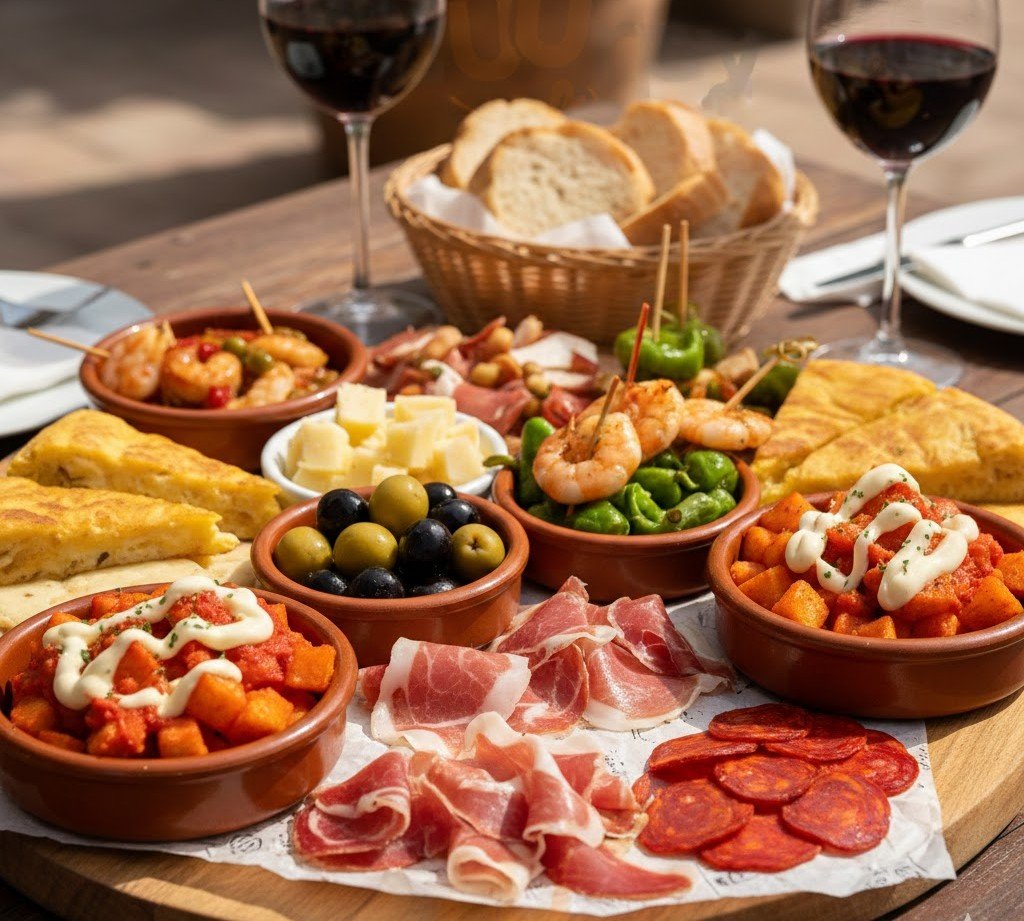
Spanish tapas are small portions of food served as appetizers or snacks in bars and restaurants across Spain. They can be hot or cold, simple or elaborate, vegetarian or meat-based spanish tapas. Traditionally, they accompany drinks such as wine, beer, or sherry.
The word “tapa” means “cover” in Spanish. According to popular stories, small plates were once placed over glasses of wine to keep flies out, and over time, these coverings evolved into edible snacks.
Today, tapas range from a simple bowl of olives to complex seafood creations. They are not just appetizers—they can form an entire meal when several are ordered and shared.
The Cultural Significance of Tapas
Tapas are deeply woven into Spanish social life spanish tapas. The practice of going from bar to bar enjoying small dishes and drinks is known as “tapeo.” This tradition encourages conversation, laughter, and connection.
In cities like Seville and Madrid, people gather in the evenings to enjoy a relaxed atmosphere filled with lively chatter and delicious aromas. Sharing food from common plates promotes community and hospitality.
Unlike formal dining, tapas culture is casual and spontaneous. Friends may stand at a counter, move between venues, or sit outside enjoying warm weather while sampling different flavors spanish tapas.
A Brief History of Spanish Tapas
The origins of Spanish tapas are debated. Some historians believe King Alfonso X ordered taverns to serve food with wine to prevent intoxication. Others suggest that workers needed small snacks to sustain energy during long days.
Whatever the exact origin, tapas developed over centuries alongside Spain’s rich culinary evolution influenced by Romans, Moors, and regional agricultural traditions spanish tapas.
Regions across Spain adapted tapas to local ingredients, creating a diverse array of small plates unique to each area.
Regional Varieties of Tapas
Spain’s geography and history shape its food. Here are some notable regional styles:
1. Andalusia
In southern Spain, particularly in Seville, tapas often include fried seafood, gazpacho, and marinated olives. The warm climate favors light and refreshing dishes spanish tapas.
Popular Andalusian tapas:
- Boquerones (marinated anchovies)
- Salmorejo (thick tomato soup)
- Fried calamari
2. Catalonia
In Barcelona, tapas reflect Mediterranean flavors. Bread rubbed with tomato and olive oil, known as “pan con tomate,” is common.
Catalan favorites:
- Escalivada (roasted vegetables)
- Bombas (stuffed potato balls)
- Grilled seafood
3. Basque Country
In San Sebastián, tapas are known as “pintxos.” These are often served on bread and secured with a toothpick.
Typical pintxos:
- Salt cod with peppers
- Tuna with anchovy
- Miniature steak bites
4. Madrid
The capital city, Madrid, offers a mix of traditional and modern tapas.
Popular choices:
- Patatas bravas
- Spanish omelet (tortilla española)
- Chorizo cooked in cider or wine
Most Popular Spanish Tapas Dishes
Here are some classic dishes commonly found across Spain:
Patatas Bravas
Crispy fried potatoes served with spicy tomato sauce and creamy aioli. This dish is simple yet packed with flavor.
Tortilla Española
A thick omelet made with potatoes and onions. It can be served warm or cold and sliced into small portions.
Gambas al Ajillo
Shrimp sautéed in olive oil with garlic and chili flakes. The aroma alone makes it irresistible.
Jamón Ibérico
Cured Iberian ham sliced thin and served with bread. It is considered a delicacy in Spain.
Albondigas
Spanish meatballs cooked in a rich tomato or almond sauce.
Pimientos de Padrón
Small green peppers blistered in olive oil and sprinkled with sea salt. Most are mild, but occasionally one is spicy.
Ingredients That Define Tapas
The magic of Spanish tapas lies in fresh, high-quality ingredients:
- Extra virgin olive oil
- Garlic
- Tomatoes
- Fresh seafood
- Cured meats
- Paprika
- Saffron
- Potatoes
- Fresh herbs
Spanish cooking emphasizes simplicity. Many dishes use only a few ingredients, allowing natural flavors to shine.
How Tapas Are Served
Tapas are typically served in small plates meant for sharing. In some regions, they are complimentary with drinks, while in others they are ordered separately.
Common serving styles:
- Placed on a bar counter for selection
- Served fresh from the kitchen
- Displayed buffet-style in pintxos bars
Sharing multiple dishes creates a varied and satisfying dining experience.
Tapas and Drinks Pairings
Food and drink pairing is an essential part of the tapas experience.
Wine
Spain produces world-famous wines. Red wines from Rioja complement meat dishes, while white wines pair well with seafood.
Sherry
Dry sherry from Andalusia is a traditional match for olives, nuts, and seafood tapas.
Sangria
A fruity wine-based drink that pairs well with casual gatherings.
Beer
Light Spanish beers refresh the palate between bites.
How to Host a Spanish Tapas Night at Home
Bringing the flavors of Spain into your kitchen is easier than you might think. Here’s how to create an authentic experience:
1. Choose a Variety
Select 5–8 different dishes. Include:
- One potato dish
- One meat dish
- One seafood option
- One vegetable dish
- Bread and olives
2. Prepare in Advance
Many tapas can be made ahead of time, such as tortilla española or marinated olives.
3. Create the Atmosphere
Play Spanish music, use rustic serving plates, and encourage guests to mingle and share.
4. Keep Portions Small
The goal is variety, not large servings.
Health Benefits of Tapas
Because many dishes are based on the Mediterranean diet, tapas can be nutritious. Olive oil provides healthy fats, seafood offers lean protein, and vegetables add fiber and antioxidants.
Moderation and variety make this style of eating balanced and satisfying.
Modern Innovations in Tapas
Contemporary chefs have transformed traditional dishes into creative culinary experiences. In cities like Barcelona and Madrid, innovative restaurants combine classic flavors with modern presentation techniques.
Fusion tapas might include:
- Asian-inspired sauces
- Deconstructed tortilla
- Gourmet croquettes
- Artistic plating
This evolution keeps the tradition exciting while respecting its roots.
Differences Between Tapas, Pintxos, and Raciones
- Tapas: Small plates served individually.
- Pintxos: Skewered snacks common in the Basque region.
- Raciones: Larger portions meant for sharing.
Understanding these differences enhances your dining experience in Spain.
Why Spanish Tapas Are Loved Worldwide
Global popularity has brought this culinary tradition to cities around the world. Restaurants in major international hubs feature small-plate menus inspired by Spanish flavors.
People appreciate:
- Variety
- Social dining
- Bold flavors
- Flexible portion sizes
This approach to eating suits modern lifestyles, where sharing and casual dining are increasingly popular.
Travel Destinations for Authentic Tapas
If you want to experience the tradition at its best, consider visiting:
- Seville – Historic bars and authentic flavors
- Barcelona – Creative Mediterranean twists
- San Sebastián – World-renowned pintxos culture
- Madrid – A blend of classic and modern styles
Each city offers a distinct culinary identity.
Tips for Ordering Tapas in Spain
- Start with drinks.
- Order a few dishes at a time.
- Ask locals for recommendations.
- Don’t rush—enjoy the experience.
- Be adventurous and try unfamiliar dishes.
Final Thoughts
Spanish tapas represent far more than small plates of food. They symbolize togetherness, cultural heritage, and culinary creativity. From traditional recipes passed down through generations to modern interpretations in urban restaurants, this beloved dining style continues to evolve while preserving its core spirit.
Whether you explore them while traveling through Spain or recreate the experience at home, these flavorful dishes offer an unforgettable journey into one of the world’s richest food traditions.
By embracing variety, quality ingredients, and the joy of sharing, you can truly appreciate the magic behind Spanish tapas.
READ MORE : GROW MAGAZINES
