


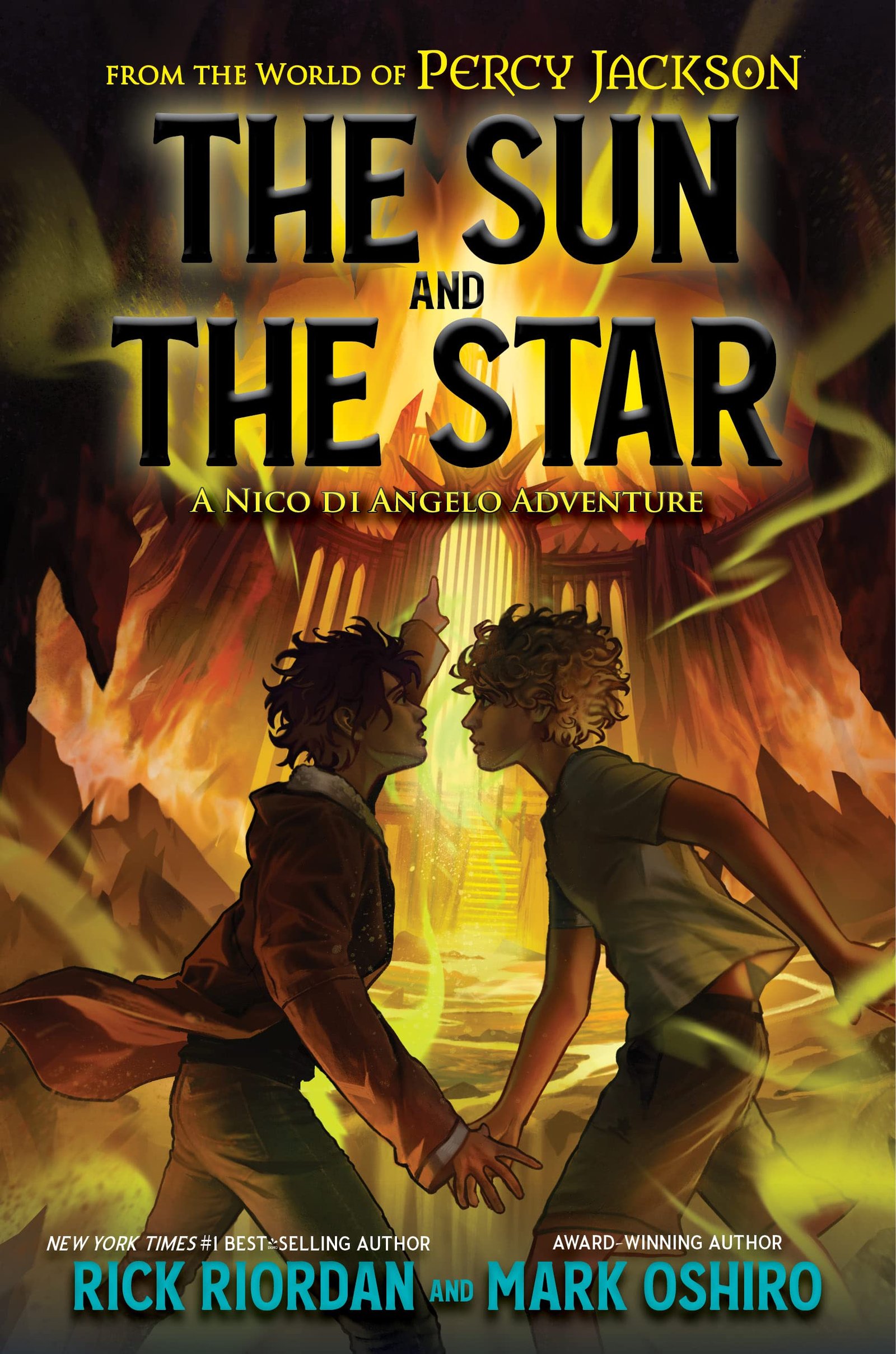
Stories that explore light and darkness have always held a special place in human imagination the sun and the star. From ancient myths to modern fantasy novels, these contrasting forces symbolize hope and despair, courage and fear, belonging and isolation. The Sun and the Star stands firmly within this tradition, offering readers a powerful narrative that blends mythology, emotional depth, and personal growth into a compelling journey.
At its core, The Sun and the Star is not merely a fantasy adventure. It is a story about identity, love, acceptance, and the courage it takes to step into the unknown. Through richly developed characters and vivid world-building, the narrative explores what it means to be seen, valued, and understood—even when the world around you feels dark.
This article takes a deep dive into the themes, characters, symbolism, and emotional resonance of The Sun and the Star, uncovering why it has captivated readers and why its message continues to shine long after the final page.
Understanding the Heart of the Story
Every great story begins with a simple question: Who am I, and where do I belong? This question lies at the heart of The Sun and the Star. The narrative follows characters who feel caught between worlds—between light and shadow, expectation and desire, duty and love.
Rather than presenting darkness as something inherently evil, the story treats it as a space of uncertainty and vulnerability. Light, too, is not portrayed as perfect or easy. Instead, both forces are shown as necessary parts of growth. This balance gives the story emotional realism and depth, allowing readers to connect with the characters on a deeply personal level.
Characters That Feel Real and Relatable
One of the most compelling aspects of The Sun and the Star is its character development. The protagonists are not flawless heroes. They struggle with fear, self-doubt, and the pressure of expectations placed upon them by others.
The Journey of Self-Acceptance
The main character’s journey is less about defeating an external enemy and more about confronting internal fears. Feelings of not being “enough,” of being misunderstood, or of living in someone else’s shadow are emotions many readers recognize instantly.
This emotional honesty is what makes the story resonate. The characters grow not because they are forced to, but because they choose to face uncomfortable truths about themselves. Their transformation feels earned, not rushed, and this makes their victories—both big and small—feel meaningful.
Love, Friendship, and Trust
Relationships play a crucial role in shaping the story. Friendship offers comfort and stability, while love provides strength and vulnerability. These bonds are not idealized; they are tested by fear, distance, and uncertainty.
What makes these relationships powerful is their authenticity. Trust is built slowly. Misunderstandings occur. Apologies matter. Through these dynamics, The Sun and the Star reminds readers that connection is not about perfection—it’s about effort, honesty, and presence.
Symbolism: Light, Darkness, and Everything in Between
Symbolism runs deeply through the narrative, enriching its meaning and emotional impact.
The Meaning of the Sun
The sun often represents hope, warmth, visibility, and life. In the story, it symbolizes safety and acceptance—but also pressure. Being in the light can feel overwhelming, especially when expectations are high. The sun illuminates everything, including flaws and insecurities.
The Meaning of the Star
A star, unlike the sun, shines from afar. It is distant yet constant, offering guidance rather than warmth. In The Sun and the Star, this symbol reflects quiet strength, endurance, and the ability to shine even when surrounded by darkness.
Together, these symbols suggest that there are many ways to be strong. Some people blaze brightly for all to see, while others glow steadily, offering hope in silence. Both forms of light matter.
Exploring Darkness as a Place of Growth
Darkness in this story is not just a setting—it is an emotional state. It represents fear, isolation, grief, and the unknown. Yet, instead of portraying it as something to escape at all costs, the narrative treats darkness as a place where growth can occur.
By facing darkness rather than avoiding it, the characters learn resilience. They discover hidden strengths and confront truths they may have ignored in the light. This perspective offers a refreshing take on the traditional light-versus-dark trope, encouraging readers to see value even in difficult experiences.
Emotional Depth and Mental Health Themes
One of the reasons The Sun and the Star feels so impactful is its sensitive approach to mental health. The story acknowledges feelings of anxiety, loneliness, and self-doubt without minimizing them.
Characters are allowed to struggle. They are allowed to feel overwhelmed. And most importantly, they are allowed to ask for help. This representation sends a powerful message: strength does not mean facing everything alone.
The narrative encourages compassion—both for others and for oneself. It shows that healing is not linear and that setbacks are part of the journey, not signs of failure.
Mythology and World-Building
The world of The Sun and the Star is rich with mythological influences. Ancient beliefs, divine realms, and supernatural forces form the backdrop of the story, adding layers of mystery and wonder.
Despite its fantastical elements, the world feels grounded because its rules are consistent. Actions have consequences. Choices matter. This structure makes the stakes feel real and keeps readers invested in the outcome.
The blend of myth and emotion creates a setting that feels both epic and intimate—grand in scale, yet deeply personal.
Why the Story Resonates With Modern Readers
In a world where many people feel unseen or misunderstood, The Sun and the Star speaks directly to the desire for acceptance and authenticity. It reminds readers that they do not need to change who they are to deserve love and belonging.
The story’s message is especially powerful for those who have ever felt like outsiders. It validates the experience of feeling different and reframes it as a source of strength rather than weakness.
This relatability is what gives the narrative lasting impact. Long after the plot details fade, the emotions remain.
Themes of Courage and Choice
Courage in The Sun and the Star is not portrayed as fearlessness. Instead, it is the willingness to move forward despite fear. Characters are afraid, uncertain, and vulnerable—but they choose to act anyway.
The story emphasizes that identity is shaped by choices, not circumstances. Even when the world tries to define who you are, you still have the power to choose your path.
This theme encourages readers to reflect on their own lives and the quiet, everyday acts of bravery that often go unnoticed.
Writing Style and Narrative Voice
The writing style of The Sun and the Star is immersive and emotionally driven. Descriptive language brings scenes to life without overwhelming the reader. Dialogue feels natural, capturing the nuances of each character’s personality.
The pacing balances introspection with action, allowing emotional moments to breathe while maintaining narrative momentum. This balance makes the story accessible to a wide range of readers, from those who love character-driven narratives to those who enjoy adventure and fantasy.
The Lasting Impact of the Story
A truly memorable story changes the way readers see themselves and the world around them. The Sun and the Star achieves this by offering hope without denying hardship.
Its message is clear but never preachy:
You are allowed to exist as you are.
Your light matters, even if it looks different from others.
And sometimes, the darkest places reveal the brightest truths.
Conclusion: Why The Sun and the Star Matters
The Sun and the Star is more than a tale of myth and magic. It is a story about embracing complexity—about understanding that light and darkness are not enemies, but partners in growth.
Through its emotionally rich characters, meaningful symbolism, and honest exploration of identity, the story offers comfort and inspiration to readers navigating their own uncertainties. It reminds us that even when we feel lost, our light has not disappeared—it is simply waiting to be recognized.
In a literary landscape filled with fast-paced plots and surface-level themes, The Sun and the Star stands out as a thoughtful, heartfelt narrative that invites readers to slow down, reflect, and believe in their own quiet brilliance.
READ MORE : GROW MAGAZINES

1 Comment
Quality content is the key to be a focus for the viewers to
pay a visit the website, that’s what this web site is providing.